Netflix vs. Disney+ vs. Max vs. Hulu vs. Prime Video: Which Service Fits Your Household?
A plain-English comparison of the five biggest on-demand services: what each catalog does best, what the tiers cost, and who should pick which one.
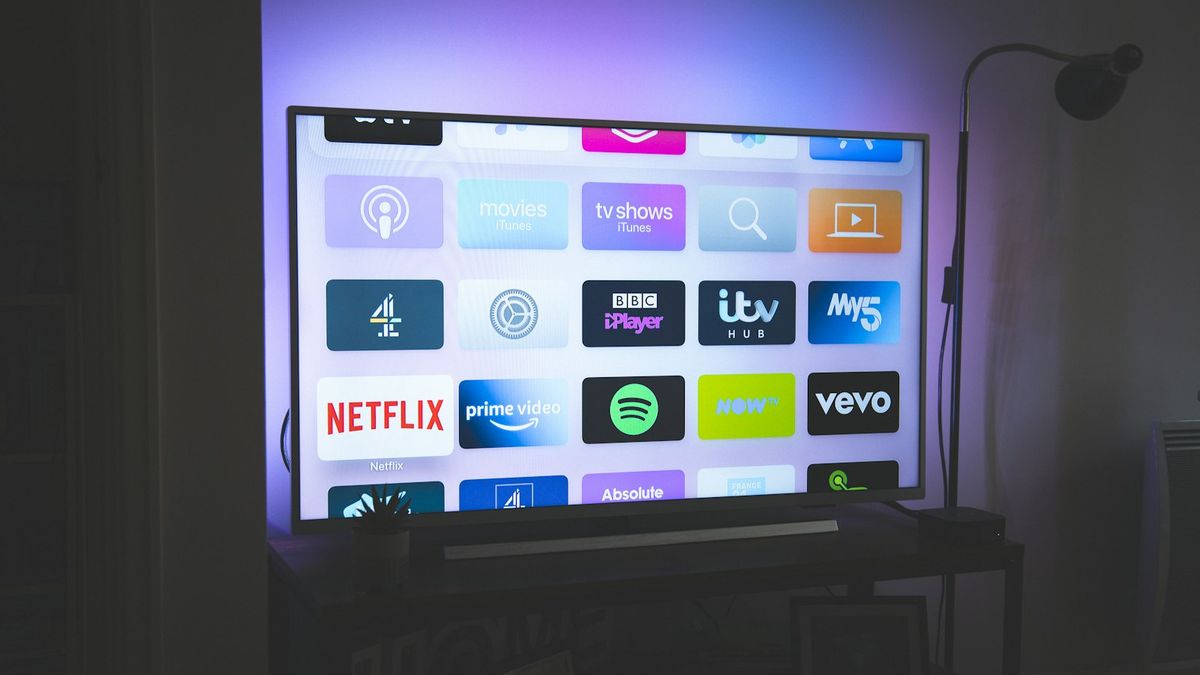
There is no single best streaming service, because the five biggest on-demand options serve different appetites. One is the broadest all-rounder, one owns family franchises, one leads on prestige drama, one is the fastest route to current network TV, and one only makes sense if you already pay for the membership around it. Judge them by the shows your household actually finishes, not by headline prices. Figures below reflect reports from 2026, a year when several services raised prices, so check the official site for current pricing before you subscribe.
How to compare them fairly
Weigh four things, in this order. First, the catalog: does it hold the specific shows your household wants, or would you pay for a library you browse but never watch? Second, the tier you would actually buy: ad-supported plans cost much less but may limit picture quality, downloads, or simultaneous streams. Third, simultaneous streams, which decide whether two or three people can watch different things at once. Fourth, 4K: on some services the sharpest picture costs extra. A service that looks cheapest at entry level can end up priciest once you add the tier your TV and household need.
Netflix: the broadest all-rounder
Netflix is the easiest default when a household wants a little of everything: original series, films, documentaries, comedy specials, and a large international slate, backed by one of the strongest recommendation systems. The trade-offs are price and churn. The entry plan with ads was reported at $8.99 a month, while the top Premium tier reached about $27 a month after a March 2026 increase, and Premium is the tier that unlocks the best picture quality. Titles rotate in and out frequently. Streams range from one to four by tier. Pick Netflix first if your household has mixed tastes and wants one subscription covering most evenings.
Disney+: the family and franchise pick
Disney+ gathers Disney animation, Pixar, Marvel, Star Wars, National Geographic, and long-running series such as The Simpsons into one app, with four simultaneous streams. That focus is its strength for families and franchise fans, and its weakness for everyone else: if your tastes run to adult drama outside those brands, you may wait a while for the next big release. Pricing was reported at about $12 a month with ads and about $19 a month ad-free, after another increase. The apps are fast and polished, with high-resolution options included. Pick Disney+ first if kids, Marvel, Star Wars, or Pixar drive most of your viewing.
Max: the prestige drama and film pick
Max, home to HBO programming, pairs prestige drama with Warner Bros. movies and lighter Discovery reality shows, plus some live sports in its Bleacher Report section. Reviewers have repeatedly rated it the strongest service on quality per title: fewer filler hours, more shows people talk about. The entry plan with ads was reported at $10.99 a month and ad-free Standard at $18.49, with two simultaneous streams on lower tiers and four on Premium. The catch is that 4K costs extra, so the sharpest picture needs the top tier. Pick Max first if drama, acclaimed films, and HBO originals matter more than sheer volume.
Hulu: the current TV pick
Hulu's practical advantage is timeliness. It carries next-day episodes of many broadcast and cable shows, alongside FX programming, originals, movies, and classic anime, making it the natural choice for viewers who follow current seasons without paying for a live TV package. The entry plan with ads was reported at about $12 a month, with two simultaneous streams, and the best value often comes from bundles with Disney+ rather than a standalone plan. Ad breaks on the cheaper tier are frequent. Pick Hulu first if keeping up with current-season TV is your top priority.
Prime Video: the membership add-on
Prime Video is the odd one out, because its value depends on whether you already pay for Amazon Prime. A Prime membership was reported at $139 a year, a standalone Prime Video subscription at $8.99 a month, and ad-free viewing cost extra on top. The catalog is wide but messy to browse, mixing included titles with rentals, purchases, and add-on channels, so not everything on the home screen is included in your plan. It allows three simultaneous streams. Pick Prime Video first only if you already use Prime for shipping and other benefits, so the video library feels like a bonus rather than a separate bill.
A simple way to decide
1. List the five shows your household most wants next. Whichever service holds most of them is your first subscription.
2. Count simultaneous viewers on a busy evening. A two-stream plan will frustrate someone if three people watch at once.
3. Check your TV. If you own a 4K TV and care about picture quality, confirm which tier includes 4K before comparing prices.
4. Consider a bundle before a second subscription. Disney+ and Hulu are frequently cheaper together than apart.
5. Revisit the choice every few months. Catalogs rotate and prices move, so the best pick in spring may not be the best in fall. Most households do best with one core service kept year-round and a second rotated in when a new season lands.